Merton Abbey Mills Colliers Wood cafe cleaning checklist for businesses
Posted on 08/08/2026
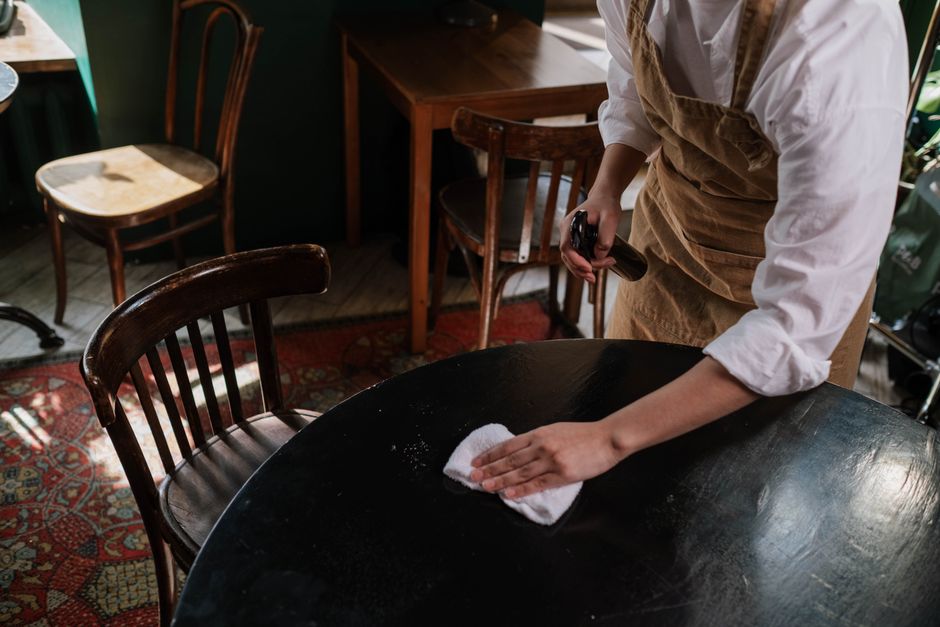
If you run a cafe near Merton Abbey Mills in Colliers Wood, you already know the drill: mornings are busy, footfall changes quickly, and the difference between a tidy room and a genuinely clean one can be surprisingly small. A proper Merton Abbey Mills Colliers Wood cafe cleaning checklist for businesses is not just about looks. It helps protect food hygiene, supports staff routines, reduces complaints, and keeps the place feeling fresh even after a long lunch rush. Truth be told, that last bit matters more than some owners expect.
This guide breaks the job into practical sections you can actually use. You'll find a step-by-step cafe cleaning system, common mistakes, compliance pointers, a comparison table, and a checklist you can adapt for front-of-house, kitchen, toilets, and outside seating. If you manage multiple venues or want a wider view of local cleaning support, you may also find the site's services overview useful alongside this article.
Why Merton Abbey Mills Colliers Wood cafe cleaning checklist for businesses Matters
A cafe in a lively local area has a different cleaning challenge from an office or a house. You're dealing with food, drink spills, grease, bins, toilets, customer touchpoints, staff turnover, and a constant stream of people coming in with muddy shoes or damp coats on a grey London day. One missed corner is often enough to change how the whole place feels.
A structured cleaning checklist gives your team a shared standard. Instead of relying on memory, one shift handover, or someone's idea of "done", everyone knows what clean means. That matters for consistency, especially if one person opens, another closes, and a third does the weekend rush. Without a checklist, things quietly drift.
It also matters because first impressions are quick. A shiny counter, fresh-smelling loo, and crumb-free window ledge can calm a customer before they've even ordered. On the other hand, a sticky table or dusty skirting board makes people notice everything else. That's the funny thing about hospitality: the cleaning is invisible when it's done well, and painfully visible when it's not.
If your business also cares about how local visitors experience the area as a whole, there's a useful wider read on highly rated venues in Colliers Wood and the unique vibe of Colliers Wood. Those pieces are not about cleaning, of course, but they do underline how much atmosphere shapes customer expectation.
How Merton Abbey Mills Colliers Wood cafe cleaning checklist for businesses Works
The best cafe cleaning checklist works like a rhythm, not a one-off task list. Think in layers: opening clean, service-time touch-ups, close-down clean, and periodic deep cleaning. Each layer has a different purpose. Opening tasks set the tone. Mid-shift tasks stop standards slipping. End-of-day tasks reset the room. Deep cleans deal with the stuff that builds up quietly, the bits no one sees until they really do.
For a business near Merton Abbey Mills, the checklist should fit the building, layout and service style. A small takeaway counter will need a different routine from a sit-down brunch cafe with pastry display, soft seating, and outdoor tables. To be fair, that sounds obvious - but many businesses still borrow a generic sheet and wonder why it never quite works.
The checklist should also define who does what and when. A task like wiping condiment bottles may seem small, but if it sits between front-of-house and kitchen teams, it can vanish. Good checklists remove that ambiguity. They should also note what cleaning chemicals or equipment are required, plus any safety steps, especially where hot surfaces, sharps, or electrical items are involved.
A clean process usually includes:
- opening checks before customers arrive
- fast surface resets during trading hours
- closing tasks for hygiene and security
- weekly and monthly deep-clean items
- recording and sign-off so nothing gets skipped
Some owners also link the checklist to their broader cleaning schedule and business policies, especially where staff training and risk controls matter. If you want a sense of how a cleaner operation is presented more generally, the site's about us page gives a useful feel for service approach and standards.
Key Benefits and Practical Advantages
A good checklist does more than keep things neat. It saves time, lowers stress, and makes accountability simpler. That last one can be awkward, but useful. When everyone knows the standard, it's easier to see where a problem started and how to fix it without drama.
Here are the most practical benefits for cafe businesses:
- Consistency across shifts: the cafe looks the same whether the opening barista or the closing supervisor is on duty.
- Better hygiene control: high-touch and food-contact areas are cleaned on schedule rather than "when someone gets a minute".
- Fewer customer complaints: clean tables, toilets, counters and floors reduce the small annoyances that add up.
- Cleaner staff habits: a checklist builds routine and reduces shortcuts.
- Easier training: new staff can learn the cleaning standard quickly instead of guessing.
- Stronger inspection readiness: documentation makes it easier to show that cleaning is being managed properly.
There is also a commercial upside. A cafe that feels looked after can support repeat visits, better reviews, and longer dwell time. People tend to linger where they feel comfortable. A clean seat, a dry floor, and a spotless tray return point all quietly help with that.
If your business model relies on regular deep cleaning rather than daily light cleaning alone, it may be worth comparing with the principles used in deep cleaning in Colliers Wood. The exact service may differ, but the discipline behind it is similar: break the work into visible, repeatable standards.
Who This Is For and When It Makes Sense
This checklist is for cafe owners, managers, supervisors, franchise operators, and independent businesses that need a dependable routine. It is especially relevant if you serve food on site, have customer toilets, or operate in a high-footfall setting where tables turn over quickly.
It makes sense if any of these sound familiar:
- staff keep cleaning the same areas twice while missing others
- closing takes too long because no one has a clear order of tasks
- the cafe looks fine in the morning but tired by mid-afternoon
- you've had comments about sticky tables, smelly bins, or dusty corners
- you need a more organised approach before busy weekends or seasonal peaks
It is also useful if you're preparing for a launch, a relaunch, or a change in opening hours. New menus and refurbishments often get attention, but cleaning systems are what keep the new look from fading fast. And in a place like Colliers Wood, where local trade can be a mix of regulars, commuters and destination visitors, standards need to hold up on both quiet mornings and hectic Saturdays.
If you're trying to understand the local setting a little better, the article on whether Colliers Wood feels resident friendly can help frame customer expectations around neighbourhood feel and repeat custom.
Step-by-Step Guidance
Below is a practical workflow you can adapt. It is intentionally simple. Real kitchens and cafe floors are busy enough without complicated systems that nobody follows.
1. Start with the zoning
Split the cafe into cleaning zones. At minimum, most businesses need:
- front entrance and exterior touchpoints
- customer seating area
- service counter and till area
- drink prep zone
- food prep or kitchen area
- washroom and handwashing points
- staff area and storage
- bins and waste collection area
Once zones are set, list tasks under each one. This is where vague wording causes trouble. "Clean front of house" is too broad. "Wipe tables, sanitise card machine, sweep under benches, check skirting and remove visible crumbs" is much easier to use.
2. Separate daily, weekly, and monthly tasks
Daily cleaning keeps the cafe serviceable. Weekly cleaning handles build-up. Monthly cleaning catches the stuff that slowly becomes part of the scenery if left alone. That can include high-level dust, vents, behind-appliance grime, or upholstery care.
For example, if you have fabric seating, you may need a planned routine that sits alongside upholstery cleaning in Colliers Wood. Soft furnishings trap smells and crumbs in a way hard chairs simply do not.
3. Assign ownership
Each task should have a responsible person or role. Use job titles if staff rotas change often. A checklist without ownership tends to become a wishlist. Nobody means for that to happen, it just does.
4. Define the cleaning method
For every task, note the preferred method: wipe, sanitise, sweep, mop, descale, polish, or empty and replace. If a chemical must sit for a contact time, say so. If a cloth colour should differ between toilet and food areas, say that too. Small rules reduce cross-contamination.
5. Add sign-off and review
At the end of each shift, a supervisor or shift lead should sign off the checklist. Review it weekly. If the same task keeps slipping, the list is not the only problem - the workflow may need a rethink.
6. Build in a reset after busy periods
After brunch rush, market days, or events near the mills, do a mini-reset. Wipe tables, refresh the floor, empty visible waste, and check toilets. A five-minute reset can save a half-hour panic later. Honestly, it often does.
Expert Tips for Better Results
A few things separate a workable cleaning system from a frustrating one. These are the details that matter in real cafes, not just on paper.
- Keep supplies where tasks happen. If staff must walk across the cafe for every spray bottle or cloth, compliance drops fast.
- Use photos for standards. A simple image of what "clean table", "clean sink", or "ready floor" looks like removes arguments.
- Make the checklist readable at a glance. Long paragraphs slow people down. Short lines win.
- Switch to task-based cleaning during quiet moments. A few spare minutes between orders are ideal for detail work.
- Think smell as well as sight. Clean is not only visual. A stale bin area or damp mop smell can undo a tidy room.
- Keep upholstery and carpet care separate. General wiping won't fix absorbed dirt.
A small but useful habit: end each day by asking, "What would a first-time visitor notice in the first 10 seconds?" That question catches more issues than a lot of long meetings. Slightly annoying, but effective.
For businesses that rely on repeat professional support, it can help to read the page on pricing and quotes before deciding how often to bring in extra help. Cost matters, but so does the scope of work.

Common Mistakes to Avoid
Most cafe cleaning problems are not dramatic. They come from small blind spots, repeated for weeks.
- Cleaning only what customers can see: behind coffee machines, under counters, and around bin lids matters too.
- Using one cloth for everything: it saves seconds and creates hygiene headaches.
- Leaving toilets until closing only: they need checks during service, not just at the end.
- Forgetting touchpoints: door handles, card readers, menu holders and condiment stations get handled constantly.
- Skipping written records: if the same issue keeps returning, you need a trail.
- Overloading the closing shift: if closing takes forever, the checklist is probably too ambitious.
Another common one: not tailoring the checklist to the weather. On wet days, entry mats, floors and visible splash zones need more attention. London rain has a way of making itself known, doesn't it?
For broader guidance on safe working habits, the site's health and safety policy is a sensible companion page to consider alongside your in-house procedures.
Tools, Resources and Recommendations
You do not need a mountain of gear to clean a cafe properly. What you do need is the right kit, stored neatly and used consistently.
| Area | Useful tools | Why it helps |
|---|---|---|
| Front of house | Microfibre cloths, sanitiser, spray bottles, bin liners | Fast surface resets and tidy customer areas |
| Floor care | Sweeper, mop, bucket, warning sign, edge brush | Safer walkways and fewer slips from spill residue |
| Kitchen and prep | Colour-coded cloths, degreaser, scrubbing pads, gloves | Better separation between food and non-food tasks |
| Toilets | Separate cleaning set, descaler, toilet brush, paper supplies | Prevents cross-contamination and keeps service stock ready |
| Soft furnishings | Vacuum with attachments, fabric-safe spot cleaner | Supports upholstery care without damaging materials |
Some businesses prefer to outsource part of this work, especially when they need a deeper reset after a refurb or a very busy season. If that is where you are headed, the site's one-off cleaning service and deep cleaning service may be useful reference points for how larger jobs are usually framed.
There is also a practical case for linking the checklist to your supply ordering. If paper towels, sanitiser and bin liners are running low, the system fails before the tasks even start. That's boring admin, but it's the boring admin that keeps the cafe humming.
Law, Compliance, Standards and Best Practice
This is the section people often try to skip, until they cannot. A cafe cleaning checklist should support, not replace, wider food safety and workplace duties. In the UK, businesses in food service are expected to manage hygiene properly, keep premises clean, and reduce contamination risks. The exact obligations depend on the premises, menu, staffing model and local circumstances, so it's sensible to stay cautious and specific in your own procedures.
In practice, good compliance means more than wiping surfaces. It means:
- using a documented cleaning schedule
- training staff in safe chemical use
- separating food-area and toilet-area equipment
- storing products correctly and clearly labelled
- keeping floors reasonably dry and safe for customers
- maintaining records of deep cleans, checks, and corrections
Best practice also includes protecting staff welfare. Cleaning can involve slips, chemical exposure, repetitive strain, and awkward lifting. A good checklist avoids heroic behaviour. Nobody should be improvising with a mop bucket at 7:30 a.m. while trying to open the till. That sort of thing looks efficient until it really isn't.
For businesses that want to align cleaning with wider workplace controls, the site's insurance and safety information may help frame the bigger picture, especially where risk management and contractor expectations matter.
Options, Methods and Comparison Table
Not every cafe needs the same cleaning approach. Here's a simple comparison to help you decide what fits your operation.
| Method | Best for | Pros | Limitations |
|---|---|---|---|
| In-house daily checklist | Small and medium cafes with stable staff | Low cost, immediate control, easy to customise | Relies on training and discipline |
| Hybrid in-house plus periodic professional support | Busy cafes, brunch spots, venues with soft furnishings | Good balance of control and deeper results | Needs coordination and clear scheduling |
| Fully outsourced cleaning | Businesses with limited internal capacity | Less internal admin, specialist equipment, predictable visits | Less day-to-day control unless standards are clear |
Most businesses end up with a hybrid model. Daily care stays inside the team because the cafe needs constant attention. Then deeper jobs, carpet care, or fabric refreshes may be brought in periodically. If that route appeals, it is worth comparing broader service options, including office cleaning in Colliers Wood for administrative spaces behind the scenes and carpet cleaning in Colliers Wood where floor coverings need more than routine vacuuming.
Case Study or Real-World Example
Picture a cafe near Merton Abbey Mills that serves coffee, pastries and light lunches. Mornings are calm, but by late morning the tables are turning over fast. The team notices that the floor near the entrance gets gritty, the toilets need two mid-day checks, and the upholstered bench by the window starts to look tired after a few rainy weeks.
At first, the owner tries a very basic cleaning list. It covers counters and bins, but not much else. The result? Staff clean what is obvious and forget the awkward corners. Closing takes longer than planned, and the cafe still doesn't quite feel fresh by Saturday lunch.
They then split the checklist into zones, assign opening and closing tasks, and add one short mid-shift reset. A weekly detail clean is added for skirting, fixtures, and the seating area. Nothing dramatic, nothing fancy. Just proper structure. The noticeable change is not only visual. Staff waste less time deciding what to do next, and the cafe feels calmer.
That calm matters. Customers feel it. Staff feel it too. The room stops fighting the team.

Practical Checklist
Here is a practical cafe cleaning checklist you can adapt for your own business. Keep it short enough to use, but detailed enough to matter.
- Entrance: sweep debris, wipe handles, check mat condition, remove litter.
- Windows and glass: clean fingerprints, smears and splashes on internal glass and display panels.
- Tables and chairs: wipe, sanitise, check undersides, and reset seats neatly.
- Card reader and till area: sanitise high-touch surfaces and clear clutter.
- Floor: sweep crumbs, mop sticky patches, and place caution signs where needed.
- Counter and drinks station: clean splash zones, trays, handles and equipment surrounds.
- Kitchen/prep surfaces: degrease, sanitise, inspect corners, and refresh cloths.
- Bins: empty, reliner, wipe lids, and manage odour build-up.
- Toilets: clean sink, toilet, taps, door handles, mirrors and stock levels.
- Staff touchpoints: wipe switches, fridge handles, drawer pulls and shared devices.
- Soft seating: vacuum crumbs, spot clean marks, and note stains for deeper treatment.
- Closing check: lock waste away, run a final floor check, and sign off all tasks.
Simple rule: if a customer can touch it, eat near it, or see it while waiting, it belongs on the checklist.
Some cleaning needs are easier handled by specialist support, especially when fabrics or end-of-day resets start taking too long. If you are comparing support options, the site's request a quote page is the natural next step, and the contact page is there if you prefer a direct conversation. For businesses interested in the wider cleaning approach used locally, the blog also provides more background reading.
Get a free quote today and see how much you can save.
Conclusion
A solid Merton Abbey Mills Colliers Wood cafe cleaning checklist for businesses is one of those back-of-house systems that quietly shapes everything else. It supports food hygiene, speeds up closing, makes staff training easier, and helps the cafe feel cared for from the front door to the last stool at the window.
The best version is not the longest one. It is the one your team actually uses on a tired Tuesday, a busy Saturday, and every shift in between. Keep it clear, keep it local to your layout, and review it often enough that it stays useful rather than decorative. That's the whole game, really.
And if you get the routine right, the cafe stops feeling like a place you are constantly chasing. It starts feeling ready. That's a good feeling, to be fair.


